GUIDE
Criminal Background Lookback Periods Explained
How apartment lookback windows work: 5, 7, and 10-year policies, blanket vs. offense-type rules, and why conviction age shifts your odds.
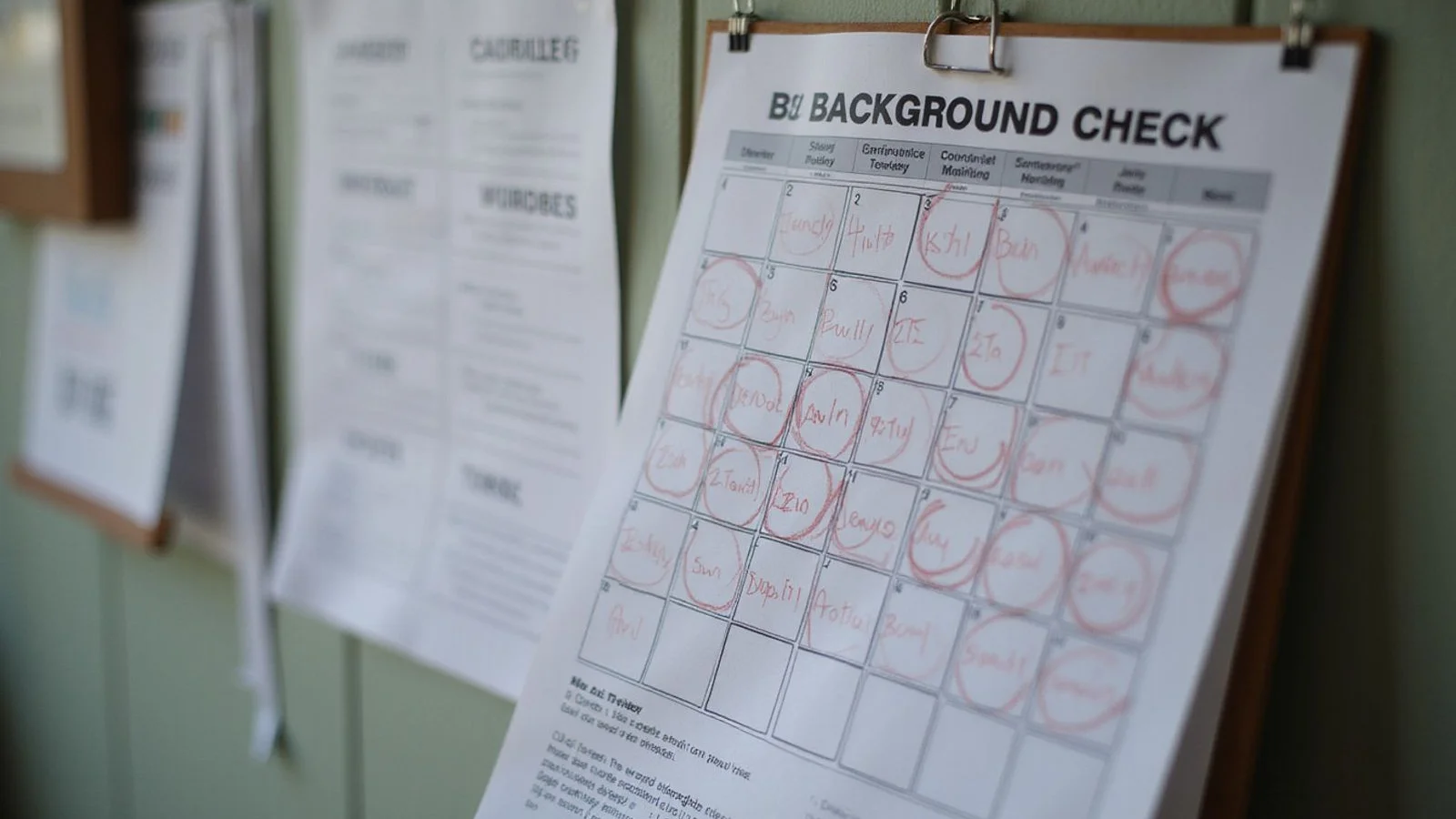
The lookback window is the calendar range a property looks at when it screens your criminal record. A five-year lookback means the property considers convictions from the last five years and (in theory) ignores older ones. A ten-year lookback pulls twice as far.
The three common windows
- Five-year lookback. Fairly common at vacancy-motivated Class B and Class C properties. Records outside the window largely stop mattering.
- Seven-year lookback. Mirrors the FCRA reporting limit for non-conviction records. Common default.
- Ten-year lookback. Common at strict Class A properties and some corporate portfolios. Especially applied to violent or property crimes.
Blanket lookback vs. offense-type policy
- Blanket lookback: the same window applies to every criminal record. A ten-year blanket lookback looks the same at a felony as at a Class B misdemeanor.
- Offense-type policy: different offense categories trigger different windows. Ten years for violent felonies, seven for property felonies, five for misdemeanors, indefinite for registry status. This is more common at large management companies that publish detailed screening criteria.
Why age matters more than most people think
At properties that run individualized review, conviction age is often weighed more heavily than any other single variable. A twelve-year-old nonviolent felony reads very differently from a two-year-old one — even at properties with the same official lookback window, because the underlying assessment weighs recency.
What this means for your search
- Know your dates. Certified court dispositions include the offense date and disposition date. Both matter.
- The FCRA reporting limit is not the same as a property lookback. The FCRA limits how far back non-conviction records can be reported. Property lookbacks are property policy choices layered on top.
- A denial does not mean your record is too recent everywhere. Different properties apply different windows. See auto-decline vs. case-by-case review.
Related
Common Questions
How far back do Texas apartments check criminal history?
Commonly seven years for non-conviction records under the FCRA. Conviction records can be reported indefinitely, but many properties apply a five-, seven-, or ten-year lookback window on their own regardless of what could legally be reported.
Does an old conviction still count against me?
It depends. Some properties apply a blanket ban regardless of age. Others weight conviction age heavily and largely stop caring about records past five or seven years. This is one of the biggest variables we track.
Is the lookback the same at every apartment?
No. Different management companies apply different lookback policies. Different offense types can trigger different windows within the same property. Sometimes the lookback is longer for violent or property crimes than for drug possession.
Related Guides
Arrest vs. Conviction on a Background Check
How screening treats an arrest vs. a conviction, why arrests can still surface, disposition status, and FCRA limits on old arrest records.
Read guide →
Auto-Decline vs. Case-by-Case Review
What 'case by case review' really means: genuine individualized assessment vs. a fee-collection line, and how to tell them apart.
Read guide →
DWI Non-Disclosure in Texas (Section 411.072)
The DWI sealing path under 411.072 (H.B. 3016): who qualifies for a first-time DWI, waiting periods, and screening effect. Not legal advice.
Read guide →
Expungement in Texas (Chapter 55A)
How Texas expungement works under Chapter 55A (effective Jan 2025): eligibility basics, screening effect, and database lag. Not legal advice.
Read guide →
Ready to Find Apartments That Accept Your Record?
Free, licensed intake. Application fee rebated on approval.